Cylindrical / Semi-cylindrical Illuminance Measurement
Field Esc and cylindrical illuminance measurement solution
Cylindrical / Semi-cylindrical Illuminance Measurement
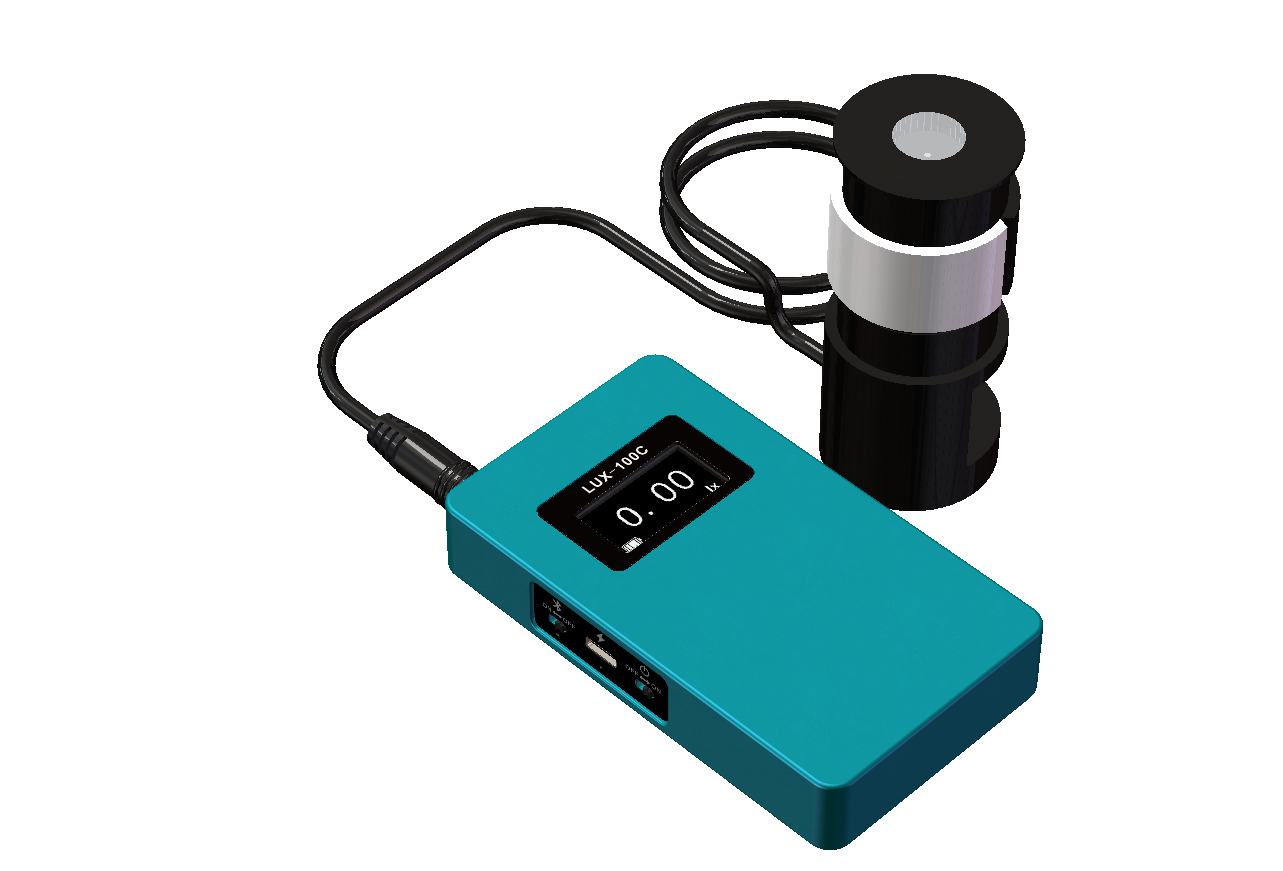
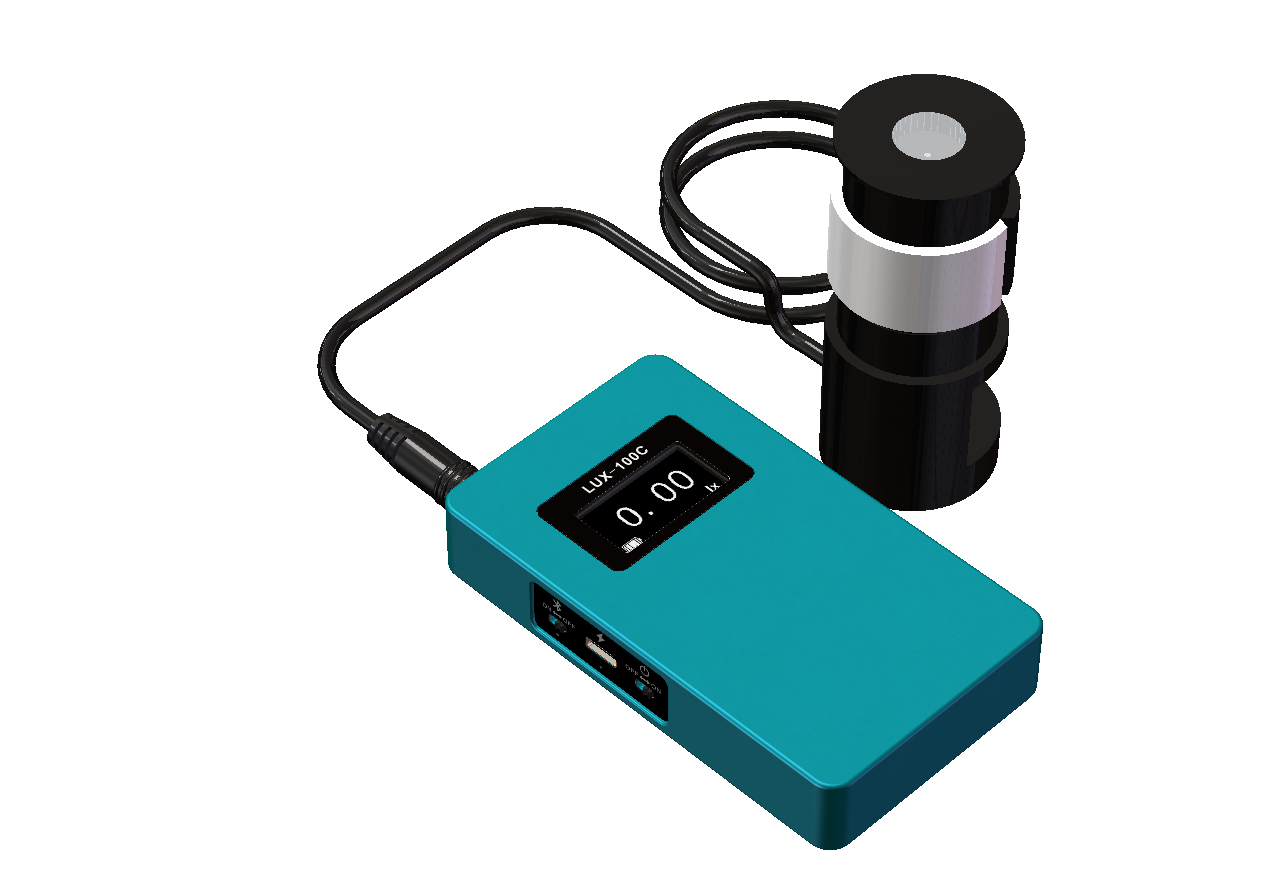
Horizontal illuminance answers whether the ground is bright enough; semi-cylindrical illuminance Esc answers whether a person at that point can be recognized. CJJ 45 lists Esc for pedestrian and non-motorized lanes; JGJ/T 163 requires Esc for walkways, plazas and parks; GB/T 50034—2024 adds Esc to building lighting design. This solution centres on portable semi-/full-cylindrical meters—standards, selection, field layout and calibration—with LuxPartner for grid logging and reports.
Typical setup: LUX-100D-C for Esc (facial recognition, road/security) or LUX-100D-F for full cylindrical/spatial illuminance (architecture, museums), with tripod and spirit level at 1.5 m (or project height) and defined orientation. Methods follow GB/T 5700; meter performance per GB/T 39388 / CIE S 023; calibrate on an optical bench with the internal reference plane (~0.067×d) and stray-light baffles. In the field, LuxPartner on Android (Bluetooth) or Windows / Linux desktop (USB serial or Bluetooth) provides live readings, uniformity grids, integral and timed logging, PDF/text export, and session files shared across phone and PC. For plant photosynthesis use a PPFD probe—do not substitute cylindrical illuminance.
Key Features
- Separate metrics: Eh / Esc / full cylindrical—do not accept with horizontal lux alone
- Standards chain: CJJ 45, JGJ/T 163, GB/T 50034 limits + GB/T 5700 methods + GB/T 39388 characterization
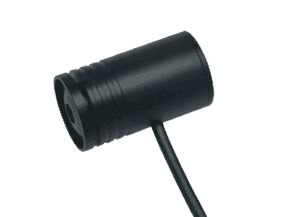
- Matched instruments: LUX-100D-C semi-cylindrical (0.01 lx–20 klx, ≤±4%) and LUX-100D-F full cylindrical
- LuxPartner companion: Android app + Windows / Linux; live reading, uniformity/integral/logging, PDF reports
- Connectivity: Bluetooth on phone; USB serial or Bluetooth on PC; session files across devices
- Traceability and field workflow: optical-bench calibration; 1.5 m height and orientation in reports
Core Application Scenarios
Sidewalk and NMV lane acceptance
Measure Esc,min at 1.5 m on the centre line per CJJ 45, report with Eh and Ev for facial recognition and pedestrian security.
Plazas, parks and nightscape public spaces
Evaluate ground Eh and Esc at 1.5 m per JGJ/T 163 for walkways, courtyards and play areas.
Building outdoor public areas and spatial modeling
Use LUX-100D-C for GB/T 50034—2024 outdoor Esc minima; LUX-100D-F for architectural surround / museum modeling.
LuxPartner field grids and reports
Connect the meter with LuxPartner on Android / Windows / Linux for uniformity grids, integral or timed logging, PDF/text export, and session sharing between phone and PC.
FAQ
How does Esc differ from horizontal illuminance, and why measure it for acceptance?▾
Which instruments and software does this solution recommend?▾
What height and orientation should Esc field points use?▾
How is Esc meter traceability ensured?▾
Measurable parameters
Technical specifications
- LUX-100D-C: semi-cylindrical receptor, 0.01–20 klx, ≤±4%, digital V(λ), Type-C
- Effective reference plane ≈0.067×d from cylinder side (use for bench distance)
- Field accessories: tripod, spirit level, 1/4″ screw mount
- LuxPartner: Android (Bluetooth); Windows / Linux (USB serial or Bluetooth); uniformity / integral / logging / PDF reports
Meet the standard requirements
- CJJ 45-2015 Urban road lighting design standard
- JGJ/T 163-2008 Urban nightscape lighting design code
- GB/T 50034—2024 Standard for lighting design of buildings
- GB/T 5700-2023 Measurement methods for lighting
- GB/T 39388-2020 Characterization of illuminance and luminance meters
- CIE S 023/E:2013 Characterization of illuminance and luminance meters
- JJG 245-2005 Verification regulation for luxmeters (planar reference)
- CIE 194:2011 Recommended Practice for Lighting of Pedestrian Areas