LUX-100Portable Illuminance/Brightness Meter
Portable illuminance/luminance meter - multiple models, LuxPartner companion
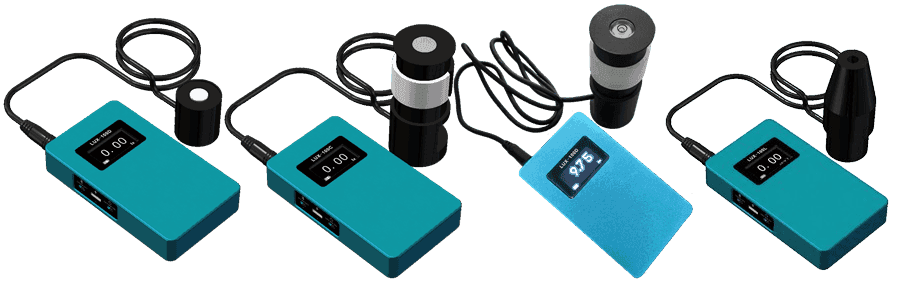
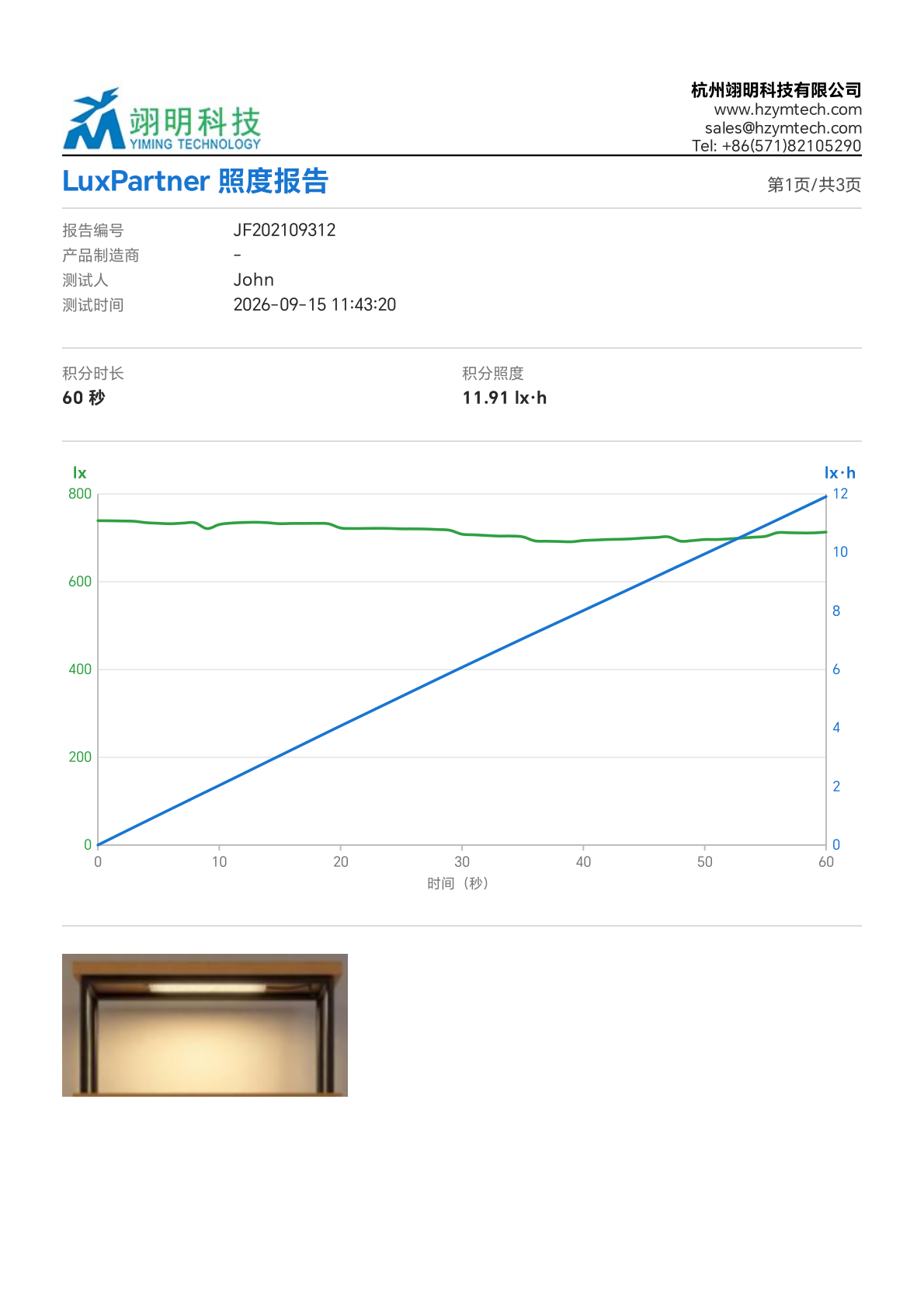
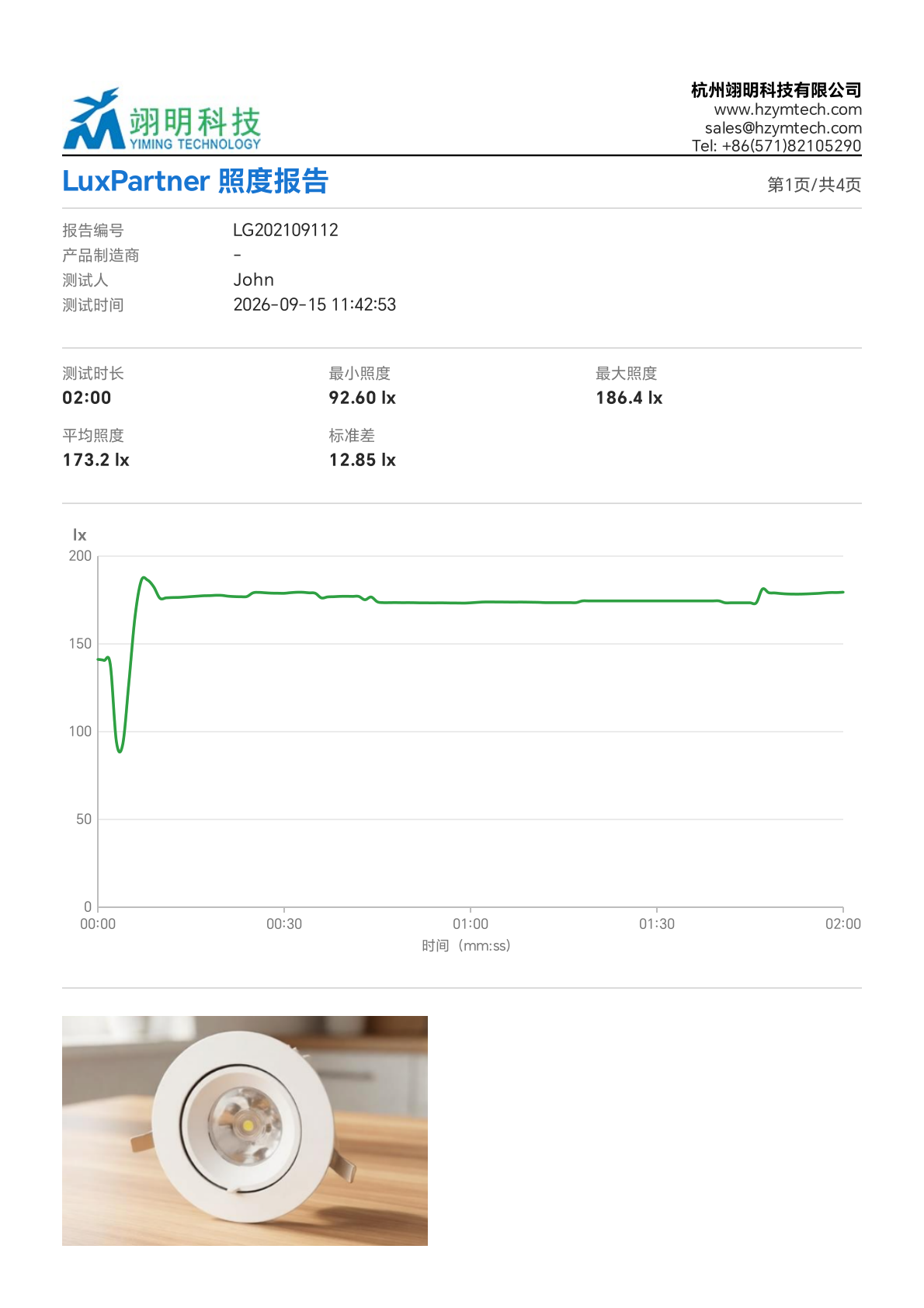
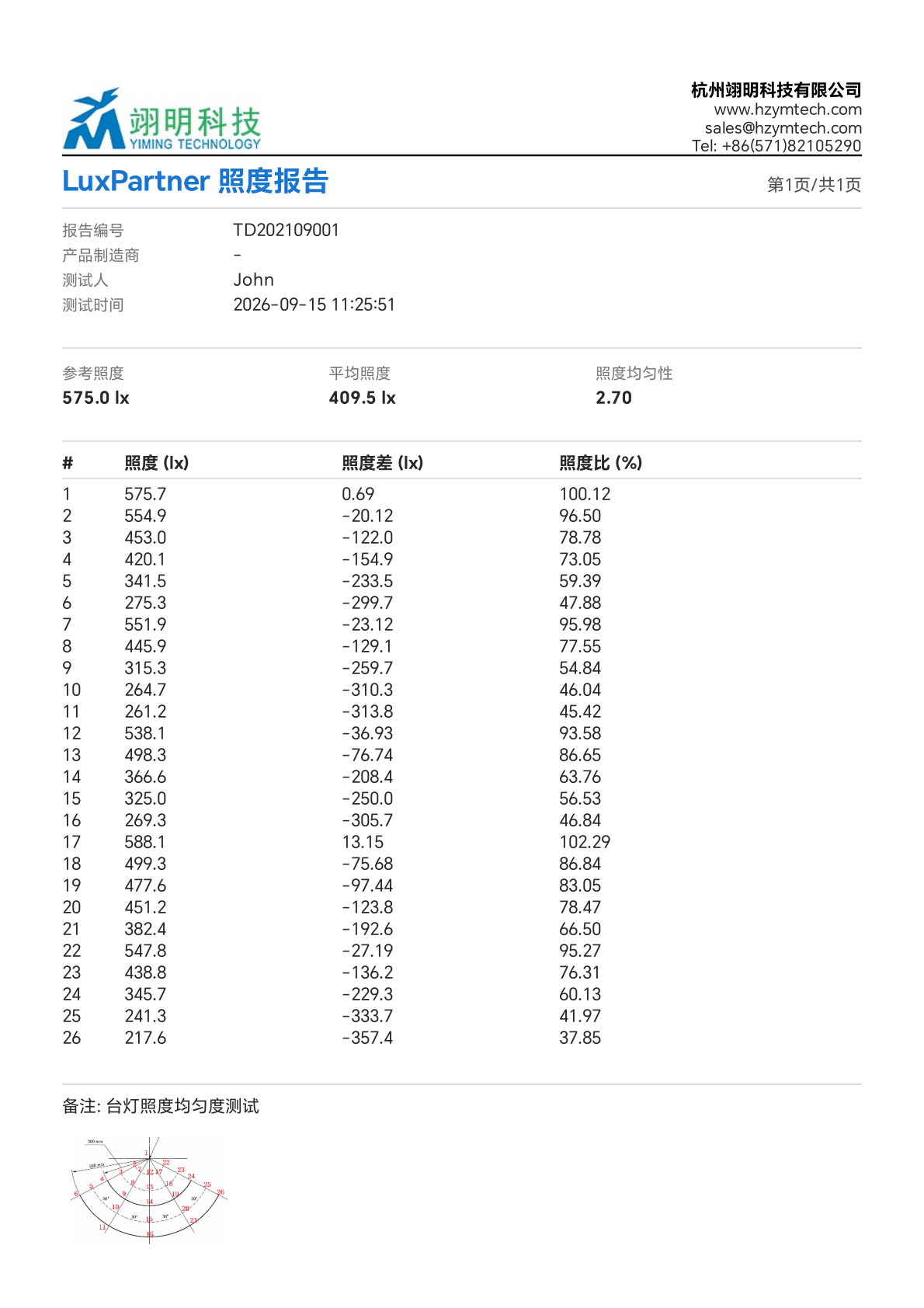
LUX-100 is HZYMTECH’s portable illuminance/luminance series: LUX-100D for horizontal illuminance, LUX-100D-C for semi-cylindrical Esc (pedestrian facial recognition), LUX-100D-F for full cylindrical spatial illuminance; LuxPartner on Android, Windows and Linux provides live reading, uniformity grids, integral and timed logging with PDF export.
Which models are in the LUX-100 series?
LUX-100D Illuminance Meter - The best choice for illuminance measurement in plazas, large venues, airport lounges, station waiting rooms and commercial sites.
LUX-100D-L Luminance Meter - Contact measurement of surface source average luminance, economical and easy to use. Widely used in commercial and industrial testing for its fast and convenient operation.
LUX-100D-C Semi-cylindrical Illuminance Meter - For semi-cylindrical illuminance measurement, mainly for evaluating lighting quality for interpersonal visual communication and spatial perception; widely used in outdoor public spaces, road lighting, security lighting and sports venues.
LUX-100D-F Full Cylindrical Illuminance Meter - For average cylindrical (spatial) illuminance measurement, especially for plant lighting and agricultural research, architectural lighting analysis and design, and museum lighting evaluation.
LUX-100UV UV Illuminance Meter - Widely used in UV sources, disinfection, phototherapy, aging, NDT, lithography, curing, breeding, plant cultivation, solar UV index evaluation, etc.
UVC254nm/UVB297nm/UVA365nm multi-band detectors optional.
LUX-100IR Infrared Illuminance Meter - For irradiance/intensity measurement of IR sources in security and night vision, machine vision and industrial inspection, as well as IR remotes, IR data links and proximity sensors.
Companion software LuxPartner: Android app plus Windows and Linux desktop. Connect via Bluetooth on phone, or USB serial / Bluetooth on PC; live readings, uniformity grids, integral exposure and timed logging, curves and PDF/text reports, with session files shared across phone and desktop; field calibration on Android.
What are the key features?
- Models: illuminance (D), luminance (L), semi-cylindrical (C), full cylindrical (F), UV, IR
- Digital V(λ), Type-C, portable field use
- LuxPartner companion: Android app + Windows / Linux desktop
- Connectivity: Bluetooth on phone; USB serial or Bluetooth on PC
- Features: live reading, uniformity grids, integral & timed logging, curves and PDF/text reports
- Session files shared across phone and PC; field calibration on Android
Which platforms does LuxPartner support?
LuxPartner is the cross-platform companion for the LUX-100 series: Android app (Bluetooth) and Windows / Linux desktop (USB serial or Bluetooth). It provides live readings, uniformity grids, integral and timed logging, PDF/text export, session sharing across devices, and field calibration on Android.
What applications is it for?
Plaza/venue illuminance, sidewalk Esc, architectural/museum cylindrical illuminance, commercial luminance checks, and UV/IR field irradiance; use LuxPartner for uniformity acceptance and report archiving.
Which model should I choose?
| Model | Measurand | Typical use |
|---|---|---|
| LUX-100D | Horizontal Eh | Plazas, venues, terminals, commercial sites |
| LUX-100D-L | Contact average luminance | Surface-source / luminaire luminance checks |
| LUX-100D-C | Semi-cylindrical Esc | Sidewalks, plazas, security, sports venues |
| LUX-100D-F | Full cylindrical (spatial) | Architecture, museums, spatial modeling |
| LUX-100UV | UV irradiance | Disinfection, curing, aging, UV index |
| LUX-100IR | IR irradiance | Night vision, machine vision, IR remotes |
FAQ
What does the LUX-100D-C semi-cylindrical meter measure?▾
How to choose LUX-100D-C vs LUX-100D-F vs LUX-100D?▾
Which platforms does LuxPartner support and what can it do?▾
What height is used for field Esc measurement?▾
Can LUX-100 replace PPFD measurement for plant lighting?▾
Related Solutions
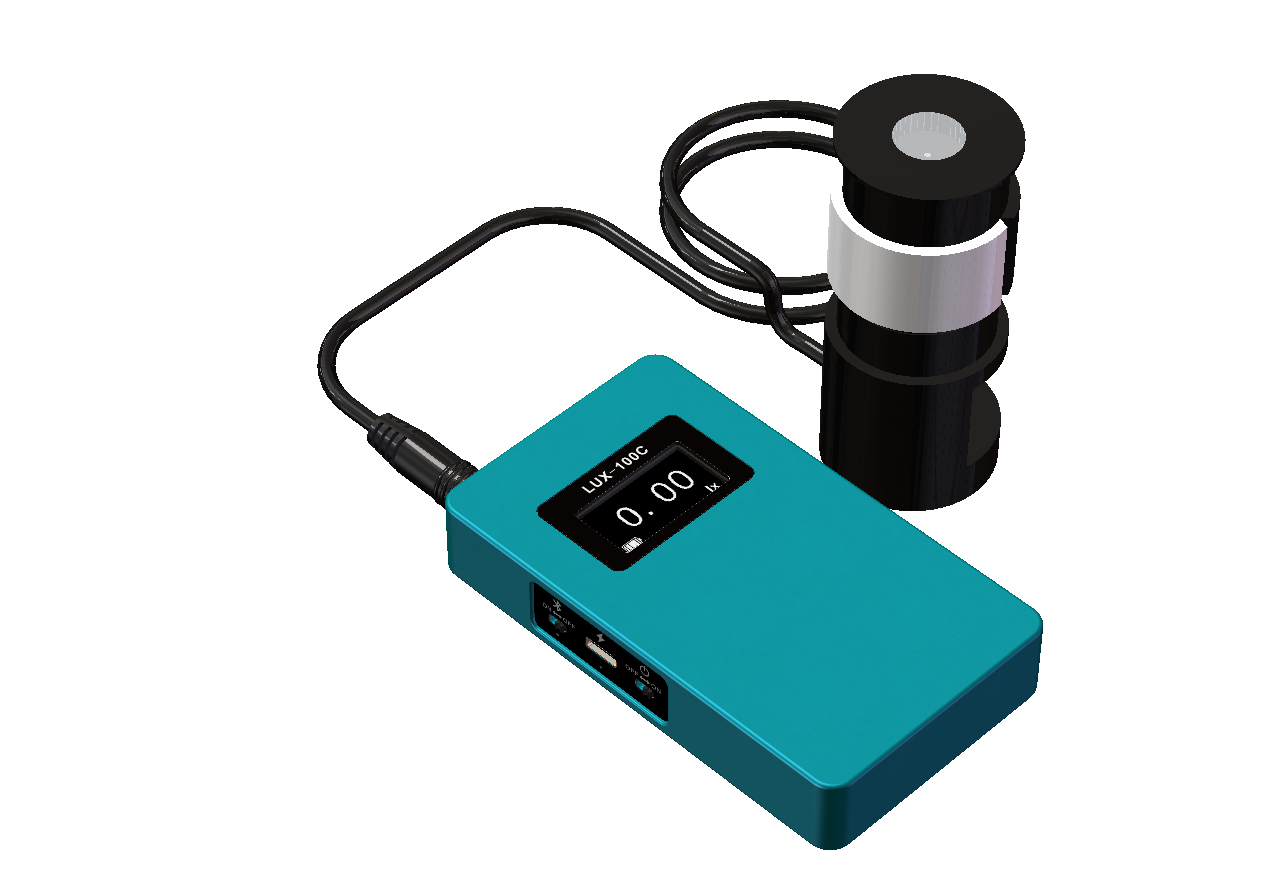
Cylindrical / Semi-cylindrical Illuminance Measurement
Field Esc / cylindrical illuminance for sidewalks, plazas and outdoor public areas
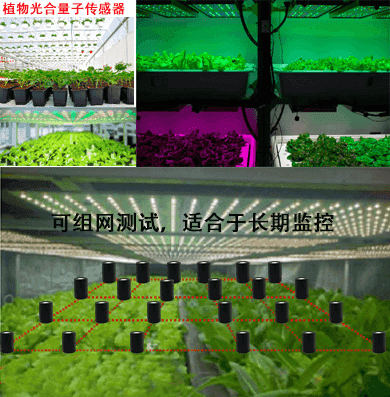
Plant PPFD Quantum Sensor
PPFD-100 quantum probe for plant factory and greenhouse light monitoring; PPFD, DLI measurement
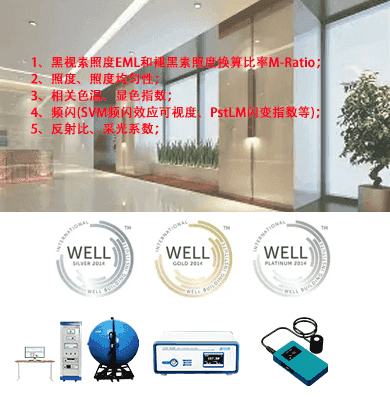
Building Healthy Lighting and Daylight Measurement
Melanopic flux, M/P ratio, blue light, flicker parameters; compliant with WELL V2
Recommended Reading
Reports Generated by LuxPartner